
NexOutsource vs Cloudstaff
An honest comparison for NZ and Australian mid-market businesses choosing between NexOutsource and Cloudstaff. Decision framework, pricing approach, and operating-model differences, written without hype.
Choose NexOutsource if … choose Cloudstaff if …
Two pictures of who each provider is built for. Use them to decide whether to keep reading or shortlist someone else.
Choose NexOutsource if
Mid-market businesses that want a Pacific delivery base, not Philippines Teams that need NZ and Australian business-hour alignment without late-shift premiums Buyers whose security teams require ISO/IEC 27001:2022 certified delivery Engagements that benefit from direct Director-led commercial conversations Industries with sector proof: energy, solar, financial services, ecommerce
Choose Cloudstaff if
Programmes where Philippines-based delivery is the preferred model Larger-scale operations needing the depth of Cloudstaff's roughly 7,000-strong team (per company materials) Buyers who value Australian-owned BPO operations specifically Engagements that benefit from Cloudstaff's developer-and-tech focus
NexOutsource vs Cloudstaff
A factual comparison across the dimensions NZ and Australian buyers ask about most.
| Dimension | NexOutsource | Cloudstaff |
|---|---|---|
| Headquarters | Auckland, New Zealand | Sydney, Australia |
| Delivery location | Suva, Fiji (nearshore Pacific) | Multiple Philippines sites |
| Team size | Dedicated teams in Suva | Approximately 7,000 professionals (per company materials) |
| Ideal client size | Mid-market teams | Mid-market to enterprise |
| Time zones | NZ and Australian business-hour aligned | Multi-region coverage |
| Leadership access | Direct, with the Auckland-based director | Account management |
| Best-known service mix | CX + revenue + back-office | Tech, dev, and BPO mix |
| Pilot framework | 30/60/90-day with KPIs | Programme-style |
Honest fit guidance
Who NexOutsource is built for
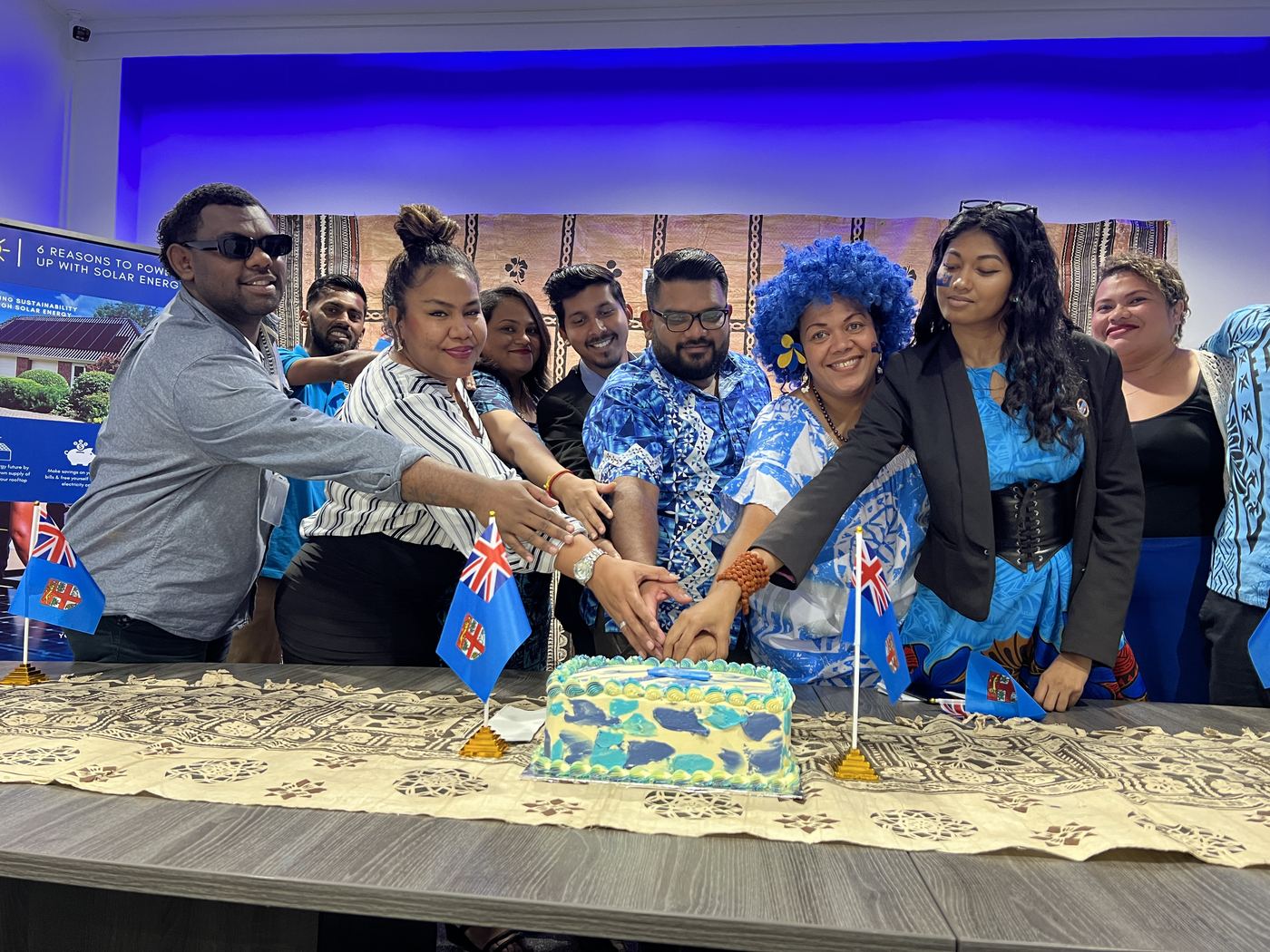
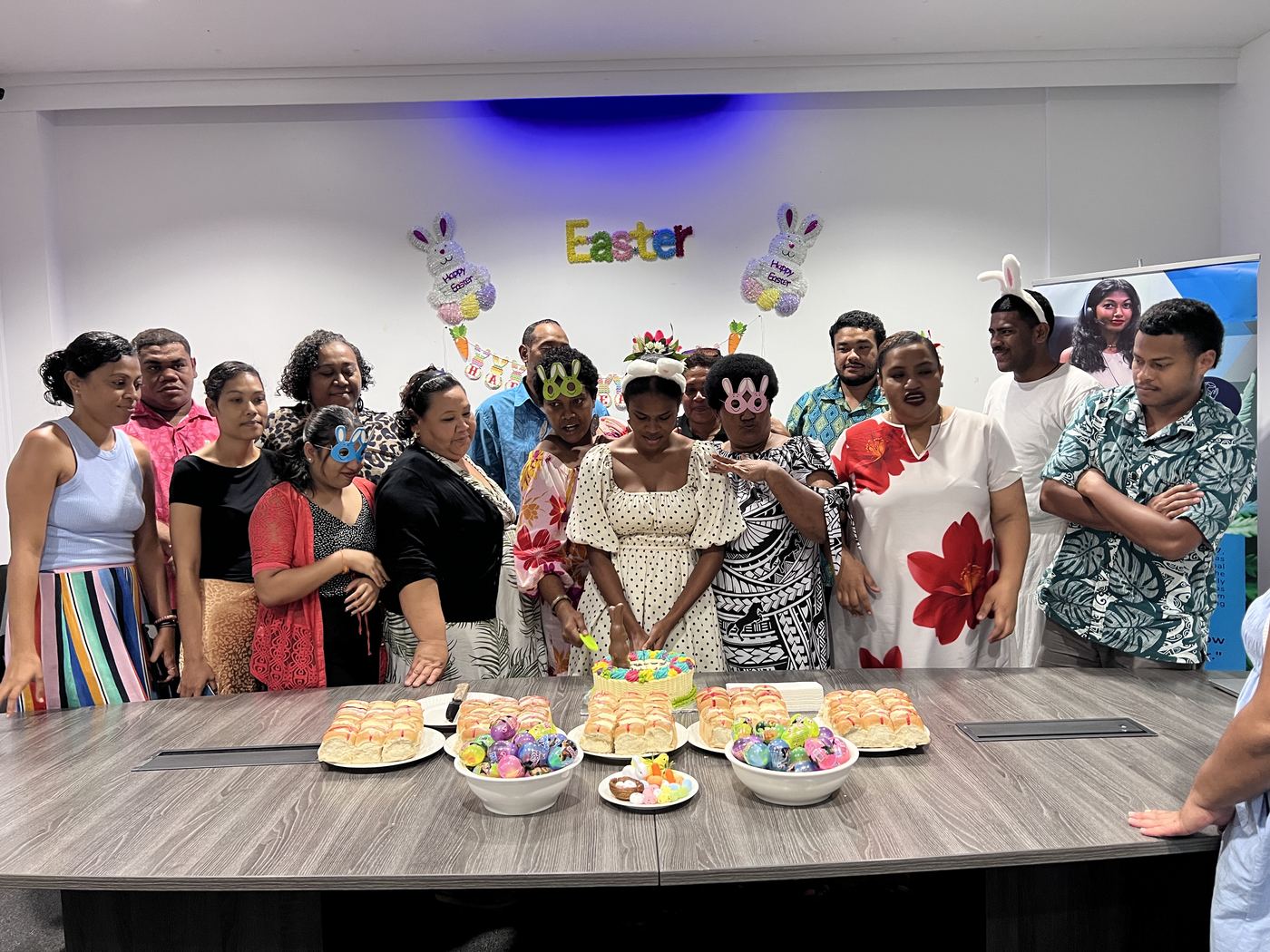
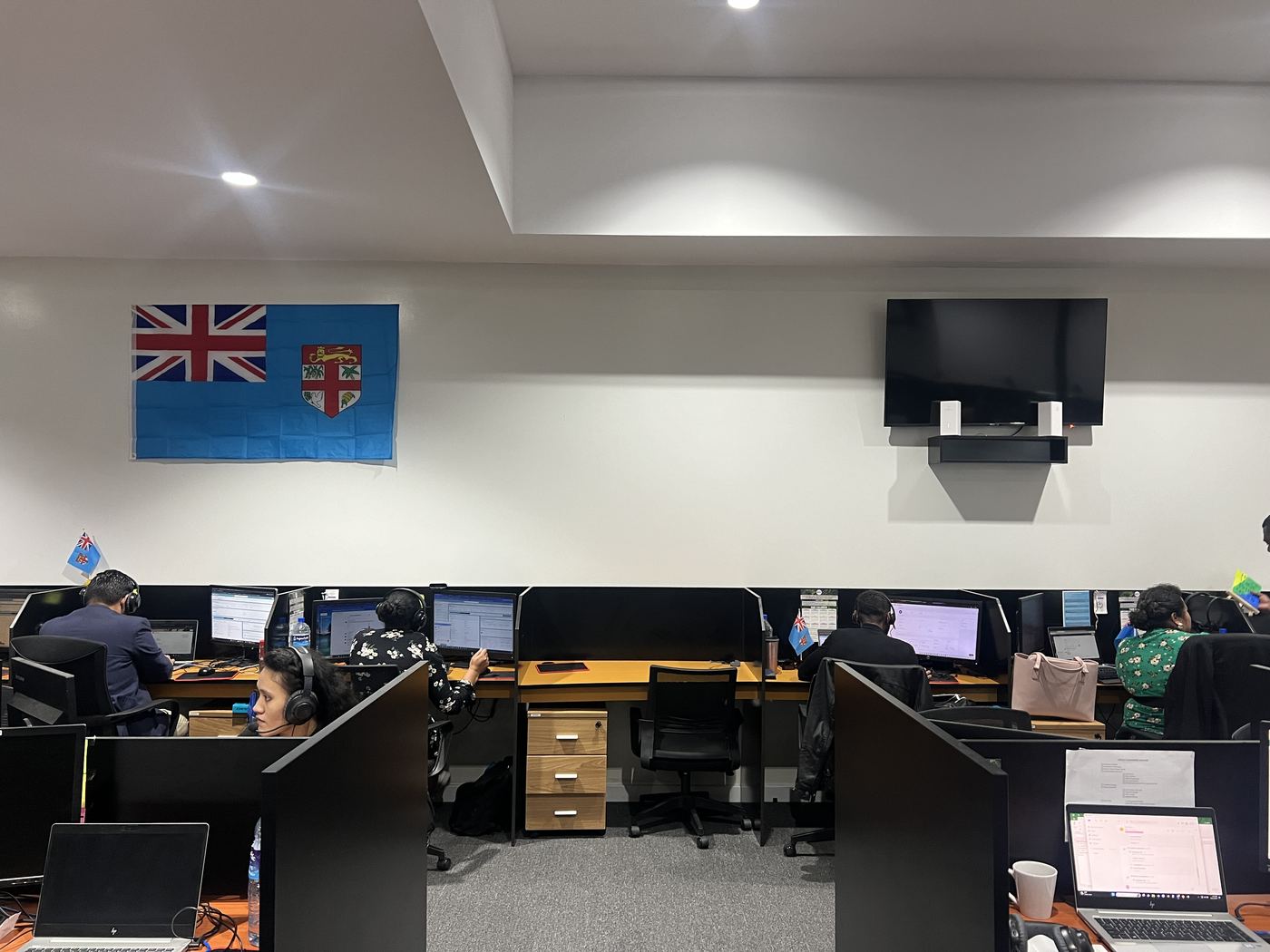
NexOutsource is built for NZ and Australian businesses that want to keep their offshore delivery in the Pacific rather than Philippines. The differentiators are timezone alignment, NZ-led account management, ISO/IEC 27001:2022 certified information security as the baseline, and direct access to our leadership during scoping and reviews. NexOutsource clients tend to be mid-market businesses in energy, solar, financial services, ecommerce, or SaaS, sectors where we have existing proof.
Who Cloudstaff is built for
Cloudstaff is a large Australian-owned BPO with Philippines-based delivery (per company materials). They're a strong fit for businesses that want Australian ownership with Philippines scale, particularly in tech and developer staffing where Cloudstaff has built a notable presence. For programmes that explicitly want Philippines delivery and Cloudstaff's tech-staffing depth, they're well worth evaluating.
Five questions before you choose
If you're stuck between NexOutsource and Cloudstaff, work through these. The answers usually point clearly.
- Do we want delivery from Philippines or from the Pacific (Fiji)?
- How much does timezone alignment with NZ and Australian business hours actually matter for our team?
- Are we hiring developers and tech roles (Cloudstaff strength) or CX, revenue ops, and back-office (NexOutsource strength)?
- Does our security team prefer documented security posture, or the broader compliance programmes that come with larger BPOs?
- Do we want direct access to our leadership during commercial conversations, or are we comfortable with traditional vendor account management?
Why NexOutsource lands well in NZ and Australian mid-market
NZ-founded, Fiji-delivered
Founded in Auckland in 2017. Delivery team based in our Suva office. NZ-led account management on every engagement.
ISO/IEC 27001:2022 certified
Information security management is documented, audited and built into every desk, laptop and process. Standard security questionnaires get answered with our existing pack.
Mid-market focus, Director access
Purpose-built for mid-market teams. Direct conversations with our leadership during scoping, weekly NZ-led account reviews after go-live.
How the two models differ in practice
Beyond the comparison table, four operating-model dimensions usually matter most when NZ and Australian buyers are choosing between NexOutsource and Cloudstaff.
NexOutsource runs an NZ-based account-management layer on every engagement. Weekly account reviews, monthly business reviews, and escalation paths that route through a single NZ-located account manager rather than through a remote vendor's tier system. Cloudstaff typically uses an account-management hierarchy scaled for the size of their operation, which is appropriate for the engagement profile they're built around but creates more layers between client and delivery team. The trade-off is real: smaller-vendor governance is faster and more direct, but doesn't scale to enterprise-programme complexity.
NexOutsource delivers from a single site in Suva. The security pack is documented, audited annually, and matches the questionnaires used by NZ Privacy Office reviewers and Australian Privacy Principles auditors. Cloudstaff typically operates a multi-cert programme covering SOC 2 and region-specific frameworks, the right posture for multi-region or multi-jurisdiction programmes. For engagements specific to NZ and Australia, NZ-led management often answers the security questionnaire faster than a multi-cert programme that requires explanation of which framework applies where.
NexOutsource uses a 30/60/90-day pilot framework: recruit and onboard in days 1 to 30, ramp to SLA in days 31 to 60, validate KPIs in days 61 to 90. Most clients move from pilot to scale by month four. Cloudstaff engagements typically follow programme-style structures with longer evaluation, design, and ramp phases, appropriate for larger programmes but slower for mid-market businesses that need capacity within the quarter. The economic difference shows up in time-to-productive: a NexOutsource pilot is usually delivering measurable output by week four; programme-style engagements often take a quarter before output is meaningful.
NexOutsource pricing is fully-loaded per-FTE: recruitment, training, infrastructure, security, payroll, compliance and reporting all included. There are no separate setup fees, programme-management fees, or change-order surcharges in the standard engagement. As a secondary proof point, fully-loaded cost typically runs around 50 to 70% below an equivalent NZ or AU local hire. Cloudstaff pricing varies by programme and is usually structured around per-seat, per-programme, or blended-rate commercials. The right comparison isn't headline rate, it's all-in landed cost per productive hour over a 12-month engagement, which is where the operating-model differences (ramp speed, attrition, governance overhead) actually move the number.
Both providers care about quality, both operate under documented information security regimes, both can deliver competent CX or back-office work to NZ and Australian clients. The decision rarely hinges on whether one can do the job; it hinges on whether the operating model fits the buyer's stage, scale, and governance preferences. Mid-market NZ and Australian businesses building a focused offshore team usually find NexOutsource's model better-fitting; programmes substantially larger or running across multiple regions typically benefit from Cloudstaff-class operators.
A few practical things NZ and Australian buyers consistently miss when comparing offshore vendors. First, headline per-seat rates are not the right comparison, the right comparison is fully-loaded cost per productive hour over twelve months, which depends heavily on ramp speed and attrition. Second, security questionnaire fit matters more than security cert breadth, ISO/IEC 27001:2022 certification aligned to NZ and Australian frameworks usually close the security review faster than a multi-cert programme that needs translation. Third, governance overhead compounds, the layer of programme management that comes with larger vendors is genuinely useful at enterprise scale and genuinely punishing at mid-market scale. Fourth, time-to-productive is the metric your finance team actually cares about, a vendor delivering measurable output in week four is materially different from one delivering in month four.
Talk to NexOutsource about your engagement
Discovery call, 30 minutes, no obligation. We'll come back with a 30/60/90-day pilot plan and indicative costs within a business day.
Common questions
Comparison based on public information as of May 2026; verify with Cloudstaff directly for current details. Last updated: 14 May 2026.
Why is Fiji a better delivery location than Philippines for NZ and Australian clients?
Three things: timezone (Fiji aligns with NZ and Australian working day; Philippines is 4 to 5 hours behind); cultural alignment (Pacific service style is closer to NZ/AU); and security posture (ISO/IEC 27001:2022 certification with NZ-led management). For mid-market NZ and Australian businesses, those three add up to a meaningfully different operating model.
Is NexOutsource as established as Cloudstaff?
Cloudstaff is larger and has been at scale longer. NexOutsource has been operating since 2017, has built proof in specific verticals (energy, solar, collections, ecommerce). The argument for NexOutsource isn't scale, it's the right size for mid-market businesses that want a real partnership.
Does NexOutsource handle developer and engineering roles?
Some, but not as a primary offer. Cloudstaff is well-known for developer staffing. NexOutsource is purpose-built for CX, revenue operations, and back-office work.
What does NZ and Australian business-hours coverage actually look like?
Fiji teams work timezone-matched to your business hours. For NZ clients, that's 9am to 5pm NZT, or the hours you set. For AU clients, similar AET coverage. Extended-hours coverage is structured during contracting.

See your team, costed, in two minutes.
Build it in the calculator, then a thirty minute call turns it into a written quote. Live in 3 to 4 weeks.